
A school-issued device is not neutral, and pretending otherwise is how we ended up here.
The moment a kid types into a school device, authorship fractures into pieces none of us can fully diagram. Hardware they don’t own. Software they didn’t choose. A cloud they can’t see. Policies they couldn’t renegotiate if they tried.
So when we optimize the notebook out of the school day, we aren’t swapping one tool for another. We’re making a series of trades on kids’ behalf, and we almost never name them out loud. Here are four.
Trade one: privacy for convenience
A device draft is legible to more people than a notebook draft ever will be. Teachers, administrators, IT, the platform itself. A notebook draft is legible to whoever the kid hands it to. That difference changes what a kid is willing to write, and we rarely account for it.
Trade two: permanence for searchability
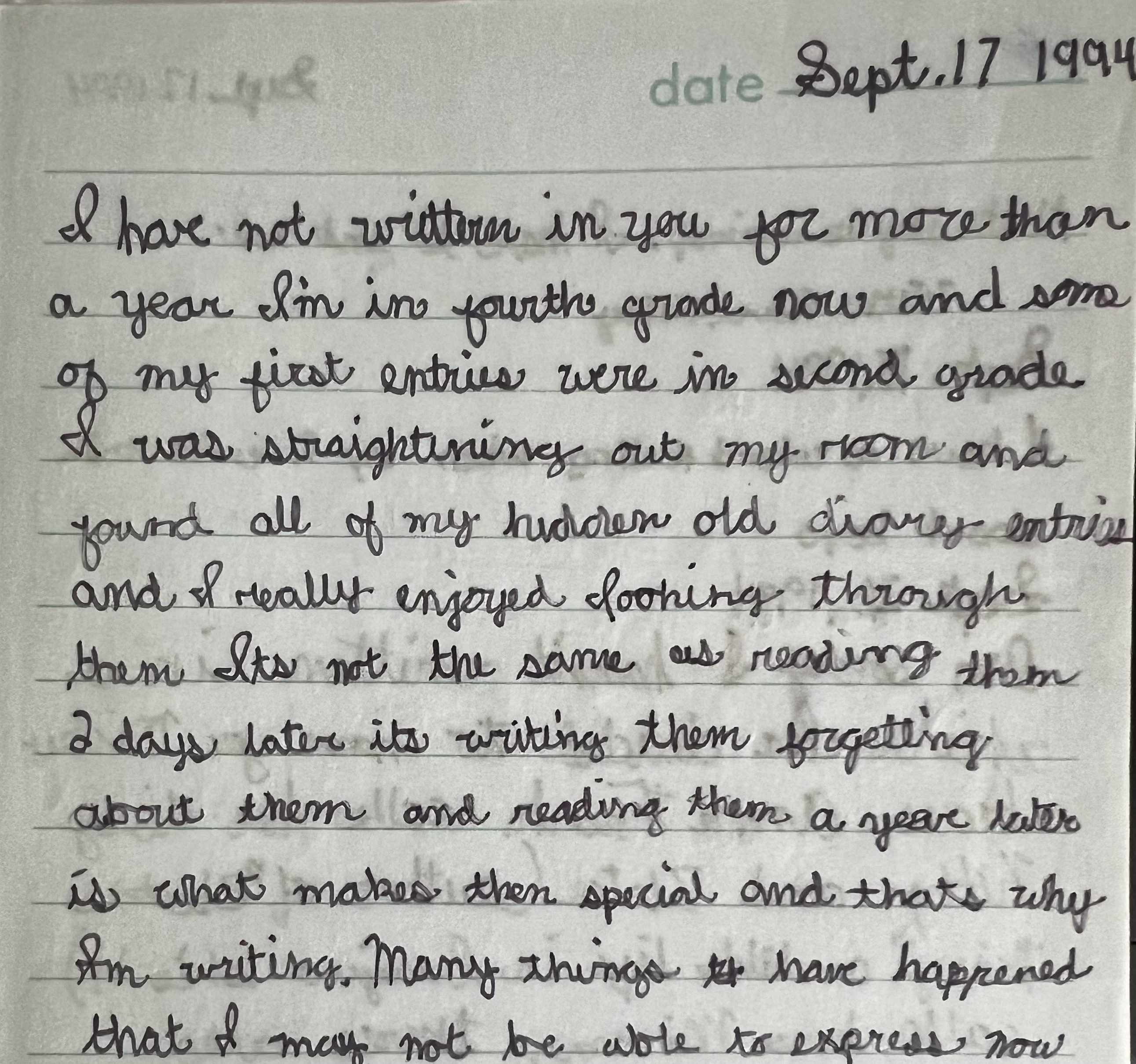
A notebook sits on a shelf. It can sit there for forty years. A cloud doc is wonderfully searchable, right up until the account is deactivated the summer after graduation. We’ve traded a record a kid can keep for a record they can find, temporarily, on someone else’s server.
Trade three: authorship for assistance
Even the best writing tool is nudging, correcting, suggesting, rewriting. Some of that is genuinely helpful. But when a kid types a paragraph that surprises them on a school device, the question of whose paragraph that is now has more than one answer. That is a strange thing to do to a young writer we are telling to find their voice.
Four years of nudging raises a real question: what does their unassisted voice actually sound like? For a lot of our students, nobody knows. Including them.
Trade four: ownership for efficiency
Every day, kids give up a small piece of ownership in exchange for efficiencies most of them did not ask for. Faster submission. Easier grading. Cleaner data. Those efficiencies mostly serve the adults in the building, and the cost is paid in something kids can’t easily name yet: the feeling that what they made is theirs.
Name the trade
None of this is nefarious. All of it has a cost.
The honest move is to name the trade, not pretend it isn’t happening. Ownership is not a sentimental argument. It is a structural one. And once you see it that way, the fix is surprisingly small: give them one room a day where the answer to “whose words are these?” is clean.
Leave a Reply