
If you teach with the curriculum that rhymes with ramplify, you’ve likely met the Grim Grizzly version of Frankenstein. It is a doozy to read.
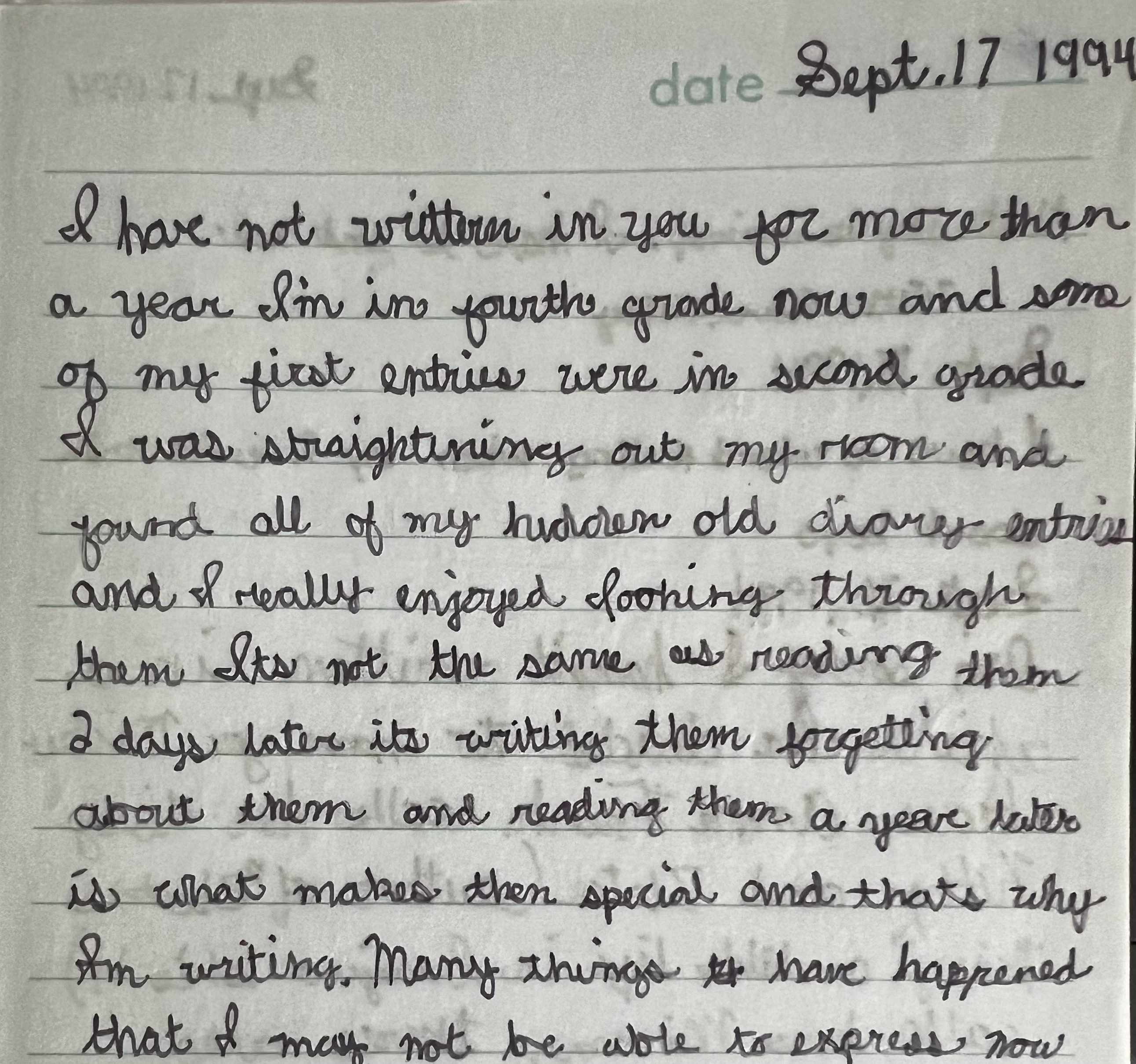
It involves reading cursive. It involves the conventions of a graphic novel. It involves understanding visual and layout significance, plus the direction and pace in which to read. Then we’re confused when students skip half the page.
“They already read comics” isn’t the same as “they can read this comic”
We assume graphic novels are the easy on-ramp. Some of them are. A dense, stylized adaptation of a nineteenth-century novel is not, and the skills it demands are rarely taught on purpose:
- Panel sequence. Which box comes next, especially when the layout breaks the grid.
- Gutter time. What happens in the space between panels, and how much time passes there.
- Visual weight. What the artist makes large, dark, central, or repeated, and why.
- Directional reading. Where the eye is supposed to travel, and what happens when it doesn’t.
- Cursive. For many of our students, script is not readable text yet. When the narrative lives in handwritten letters, they’re locked out of the part that matters.
These are decodable skills. We teach decoding everywhere else, so we should teach it here too.
What explicit instruction looks like
Before any independent reading, narrate one page out loud together. Read it the way an expert reader does, thinking aloud: “I’m starting here because… I’m going here next because… This panel is huge, so I’m slowing down.” Students need to see the reading process, not just the product.
Then give them the bridge. In my own class, I paired the Grim Grizzly page next to the equivalent passage in the classic Frankenstein text so we could walk through exactly what was kept, what wasn’t, and why the author might have included certain things or emphasized others. (That move gets its own post next.)
Adaptation is an argument
Once students can actually read the page, something better happens. They start noticing that every panel is a decision. What the artist kept, cut, and emphasized is an interpretation of Shelley. Reading the adaptation well becomes literary analysis.
Teach these before the first independent reading:
- How to track panel order on this specific book’s layouts
- How to read the cursive sections, or how to use a support for them
- What gutters ask the reader to infer
- How to spot visual emphasis and ask why it’s there
- One fully narrated page, done together
My Frankenstein lesson for the ramplify crowd builds all of this in, so you’re not inventing graphic-novel instruction on a Sunday night. [LINK]
Leave a Reply